California Landscaping Guide to Creating Beautiful Low-Water Outdoor Spaces
California landscapes ask more of a property owner than many people expect. You are not simply choosing plants that look good in a nursery pot. You are working with dry summers, periodic watering restrictions, reflected heat from pavement, uneven soil, and the reality that a yard still needs to look cared for in August, not just in March. A low-water outdoor space succeeds when it balances beauty, function, and maintenance. That balance is where most projects either shine or quietly become expensive disappointments.
I have seen plenty of yards that looked impressive the week they were installed, then struggled after landscaping santa ana - Ridgeline Outdoor Living Ridgeline Outdoor Living the first hot season. The usual pattern is familiar. A homeowner falls in love with lush images online, installs thirsty turf in full sun, adds a few decorative shrubs without studying mature size, and assumes timers alone will solve irrigation. Six months later, the water bill climbs, brown patches spread, and the original design starts to feel like a burden. The best landscape design in California avoids that trap from the beginning.
This california landscaping guide is built around a practical idea: low-water does not mean sparse, gravel-only, or stark. It means every choice has a purpose. The shape of the space matters. Plant selection matters. Soil preparation matters. Irrigation matters most of all. When those pieces work together, you get a landscape that stays attractive through long dry stretches and still feels welcoming every day.
Start with climate, not with plant photos
California covers a wide range of conditions, but much of the state shares the same pressure points. Rain arrives mostly in winter. Summer can run long and hot. Wind can dry beds faster than homeowners realize. Coastal zones hold more moisture, inland valleys bake, and urban neighborhoods often create heat islands that stress plants even more. Before choosing anything decorative, it helps to read your yard the way a contractor or horticulturist would.
Morning sun and afternoon sun are not equal. A bed that gets bright light until noon may support very different plants than a west-facing strip near a block wall. Slopes shed water quickly. Narrow side yards can trap heat. Areas near driveways or patios often radiate heat well after sunset. These small differences determine whether a plant settles in or struggles.
This is one reason custom landscaping usually performs better than copy-and-paste plans. A yard in Santa Ana, for example, can have excellent potential for low-water planting, but it still needs design choices that fit local conditions. Homeowners looking for landscaping services in Santa Ana often ask for a tidy, green look with less water and less weekend work. That is possible, but only if the plan starts with the actual site rather than a trend.
Why lawns become the first big decision
Few parts of a yard use more water, labor, and repair time than traditional turf. Grass is familiar, and there are good reasons some families keep a lawn. ridgelineoutdoorliving.com landscaping santa ana - Ridgeline Outdoor Living Children play on it. Dogs use it. A soft green foreground can make a house feel settled and inviting. But a large, wall-to-wall lawn is usually the least efficient way to handle a California yard.
That does not mean grass must disappear everywhere. It means turf should earn its place. A smaller, purposeful lawn often works better than a large one. In front yard landscaping, reducing lawn area can dramatically cut water use while giving the home a cleaner, more intentional appearance. In backyard landscaping, you can reserve turf for one active zone and use planting beds, decomposed granite, or permeable hardscape around it.
A lot of homeowners still ask about lawn care, mowing services, and a reliable grass mowing guide because they want to preserve some lawn without letting it dominate the landscape. That is sensible. Healthy grass maintained at the correct height generally handles heat better than grass cut too short. Scalping a lawn in summer is one of the fastest ways to expose soil, increase evaporation, and invite weeds. If you keep turf, keep it small, mow it properly, and water it deeply enough to encourage deeper roots.
The bones of a low-water landscape
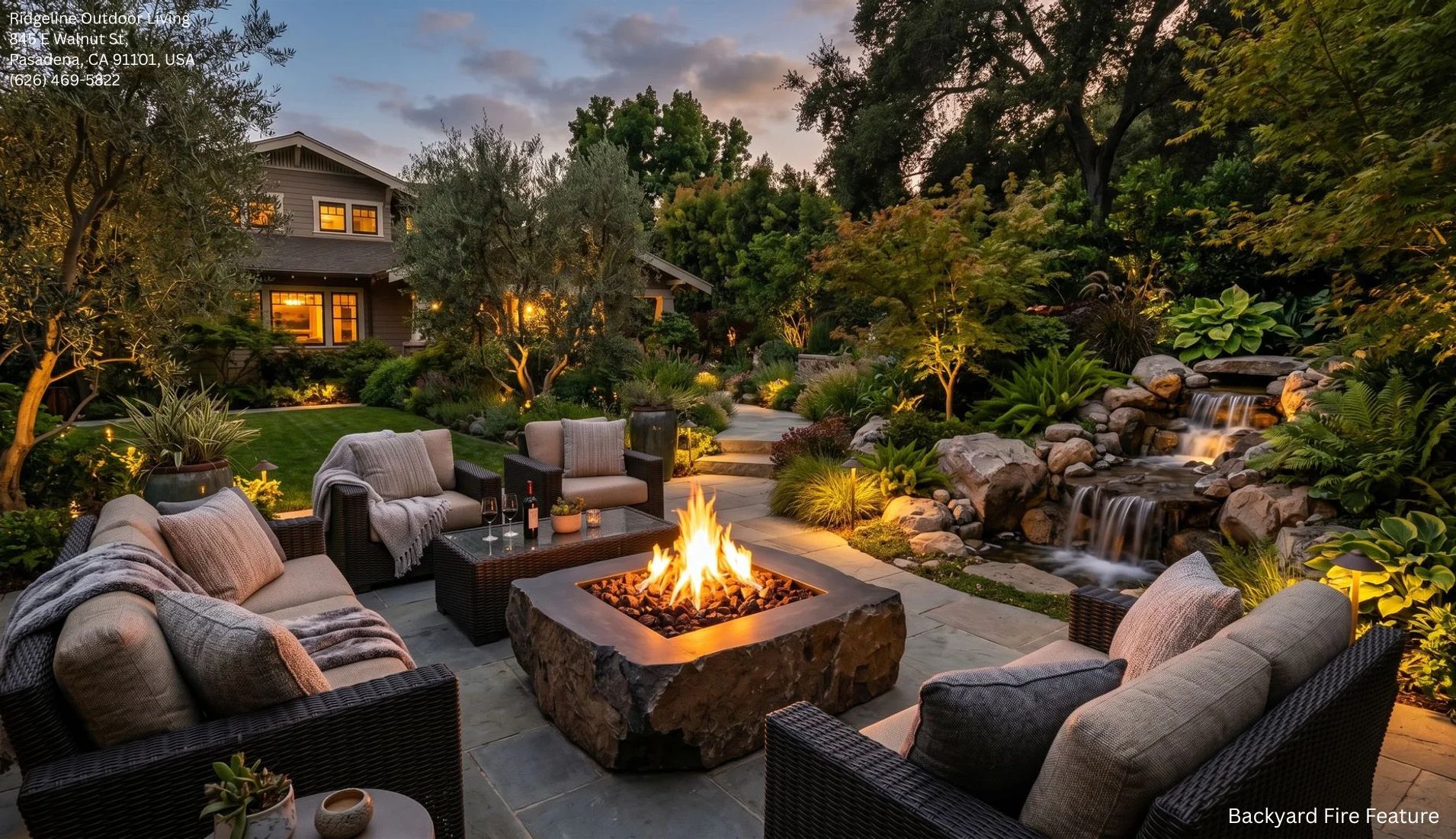
The strongest low-water yards do not depend on flowers alone. They rely on structure. Paths, patios, seat walls, gravel bands, boulders, shade trees, and well-shaped planting beds create interest even when bloom cycles change. A good landscape design has something to look at in every season.
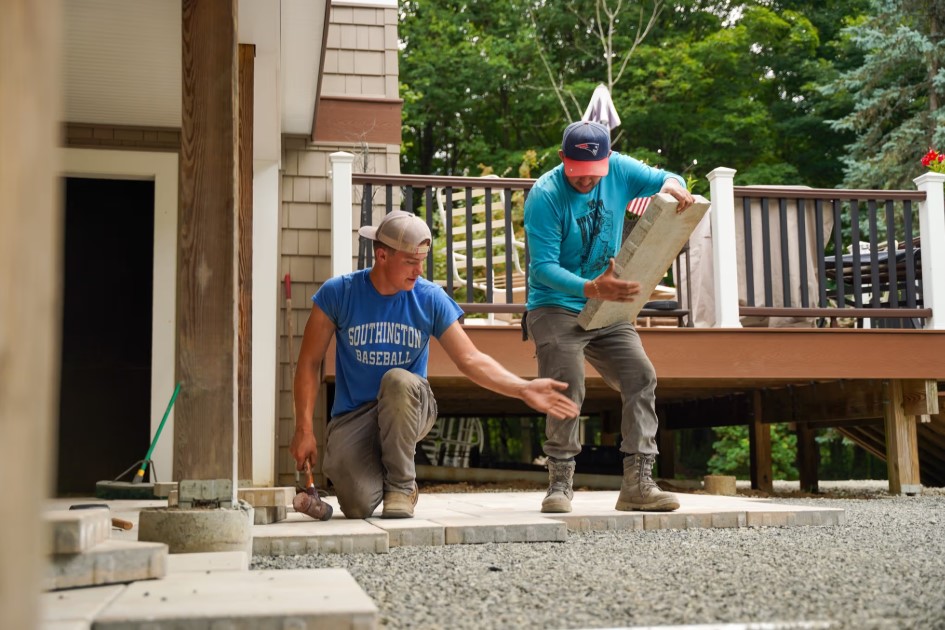
This is where many affordable landscaping Santa Ana projects either gain value or lose it. Budget-friendly does not have to mean cheap-looking. It often means spending money on the right permanent elements first. A crisp walkway, defined bed edges, and a thoughtful irrigation layout can do more for a property than a random mix of nursery plants. If the framework is strong, the planting can be phased over time.
Front yards benefit from this discipline because they are read quickly from the street. Repetition works well. A restrained palette of grasses, flowering perennials, low shrubs, and one or two accent plants often looks more refined than ten unrelated species. Backyards can be looser, but they still need order. Dining areas, quiet corners, and circulation paths should feel intentional, not leftover.
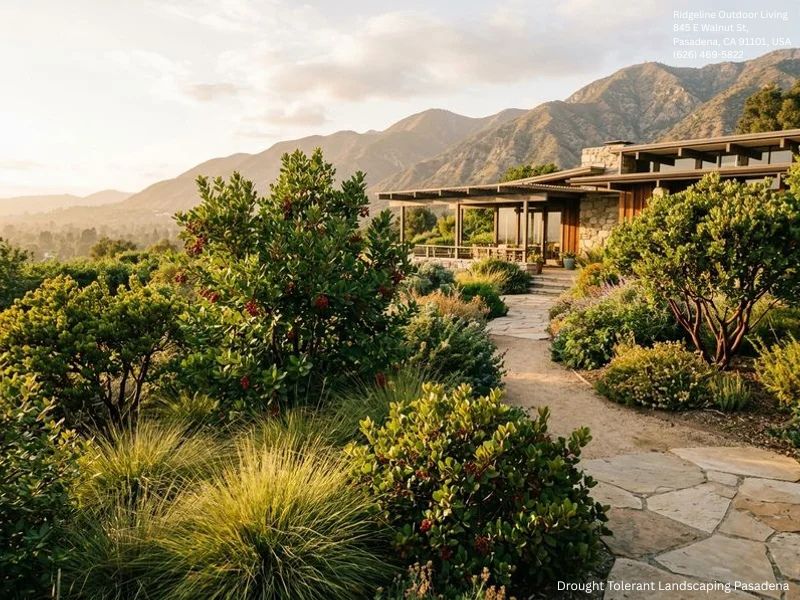
Commercial landscaping follows the same principles, just on a different scale. Offices, retail strips, and multi-family properties often need durable planting, easier maintenance access, and irrigation systems that can handle larger zones. The low-water strategies are similar: reduce unnecessary turf, improve hydrozoning, use mulch consistently, and choose plants for mature conditions rather than first-year looks.
Plant choices that work hard without looking dry
A low-water garden should not read as sacrifice. It should feel textured, layered, and alive. California natives deserve attention, but they are not the only answer. Mediterranean-climate plants from other regions often perform beautifully as well. The real test is whether they can handle your heat exposure, soil type, and watering pattern once established.
Salvias, manzanitas, ceanothus, lavender, rosemary, deer grass, and many ornamental grasses are common for a reason. They offer color, movement, fragrance, or evergreen structure with relatively modest water needs. Succulents can work too, especially in high-visibility beds near entries, but a yard made entirely of succulents can feel flat if there is no change in height or seasonal rhythm. Pairing broad-leaf plants with fine-textured grasses usually creates a more natural and resilient composition.
There is also a maintenance side to plant selection that many people miss. Fast growers need more pruning. Plants placed too close together become a long-term headache. Species that resent summer irrigation should not share a zone with plants that need more frequent water. A beautiful planting plan on paper can fail if the irrigation logic is wrong.
Eco friendly landscaping is often described in broad terms, but on the ground it comes down to practical choices like these. A plant that survives on low water but needs constant shearing, frequent replacement, or heavy fertilizing is not truly efficient. A better approach is to choose plants that hold their form naturally and fit the scale of the space.
Irrigation is where savings are won or lost
Irrigation service for homeowners is one of the most valuable investments in any California yard because the system determines whether all the other work pays off. I have seen expensive planting installations decline simply because one broken emitter went unnoticed for weeks, or because a spray head was watering a walkway instead of the root zone. Watering systems need design, not just equipment.
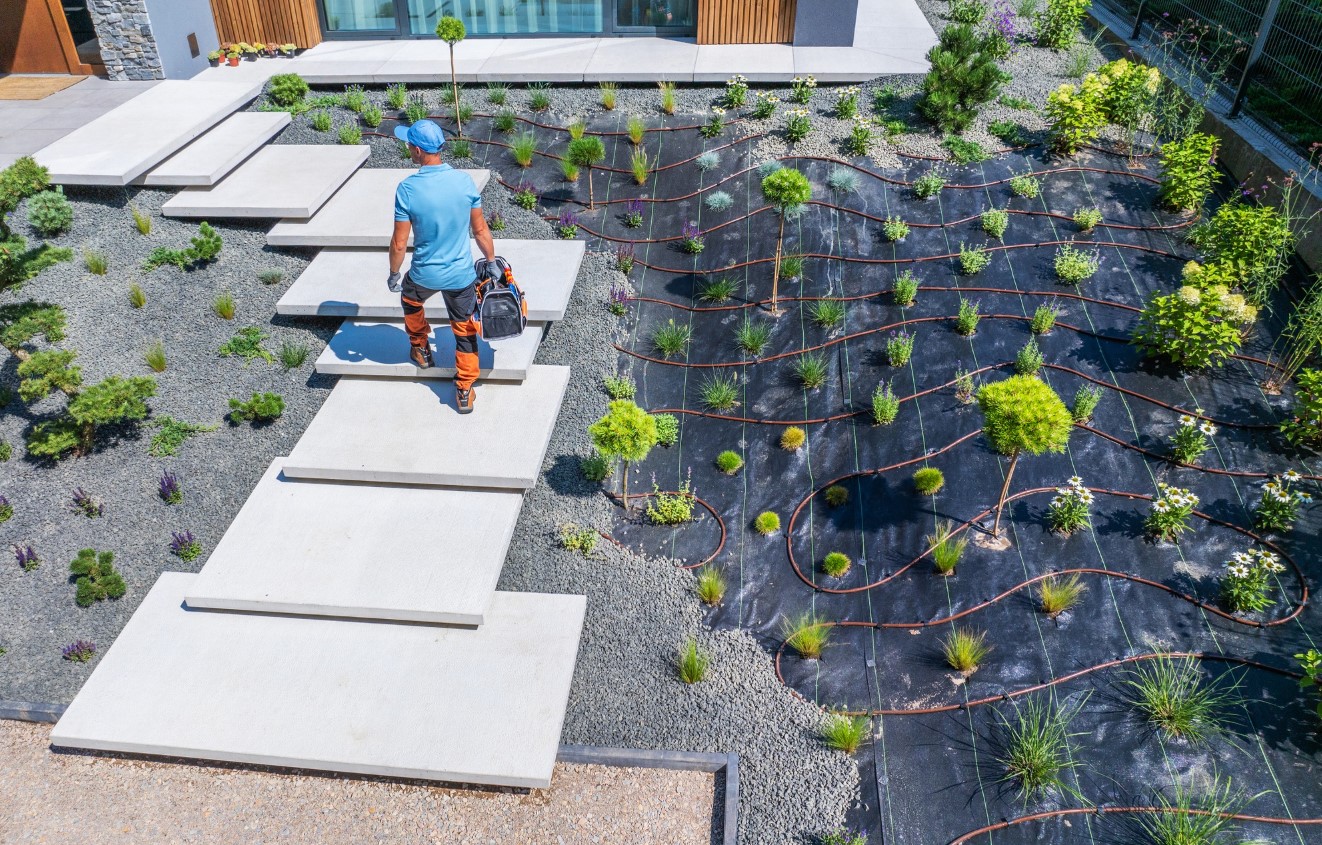
Drip irrigation is often the right choice for planting beds because it delivers water slowly and directly where roots can use it. Turf areas may still need sprays or rotors, but they should be matched carefully for coverage and pressure. Mixed zones are a common problem. When lawn and shrubs share the same valve, one side usually gets overwatered or underwatered. Good hydrozoning separates plants by similar water needs and sun exposure.
Timing matters too. Deep, less frequent watering generally encourages stronger roots than daily shallow cycles. But the right schedule changes with season, soil, and plant maturity. New installations need more regular attention while roots establish. After that, many landscapes can be weaned into a more efficient pattern. Smart controllers and rain sensors help, but they do not replace observation. Walk the yard. Check emitters. Look for runoff, pooling, and stress.
If you want one simple rule, it is this:
- Water the soil, not the surface.
- Group plants by similar water needs.
- Inspect irrigation monthly during warm weather.
- Adjust seasonal run times before heat waves arrive.
- Fix leaks and clogged emitters immediately.
These sound basic, yet they are where most water waste happens.
Soil, mulch, and the quiet details that change everything
Most low-water conversations jump straight to plants, but soil condition often decides the outcome. Compacted soil sheds water and limits root growth. Sandy soil drains too fast. Heavy clay can hold moisture too long in one season and bake hard in another. You do not always need to replace soil, but you do need to understand it.
Organic matter can improve many planting areas, though some native species prefer leaner conditions and can suffer in heavily amended beds. This is where experience matters. There is no one recipe for every section of a yard. Vegetable beds need different treatment than ornamental shrubs. Tree basins need different watering behavior than perennial borders.
Mulch is one of the most dependable tools in low-water landscaping. A proper layer of mulch moderates soil temperature, reduces evaporation, slows weed growth, and gives beds a finished look. It also protects soil from crusting over in intense sun. Wood chip mulch is often especially useful around trees and shrubs. Decorative gravel can work in the right design, but in full sun it may increase heat around some plants if overused.
A fresh layer of mulch can make a tired yard look significantly better within a day. It is not glamorous work, but it is effective. If you are comparing where to spend a modest landscape budget, mulch and irrigation tune-ups usually deliver more value than chasing ornamental upgrades too soon.
Trees deserve longer-term thinking
Shade is one of the most powerful water-saving tools in a landscape. A well-placed tree can cool walls, patios, and planting beds, reducing stress throughout the yard. But tree selection and care need patience. A small nursery tree can look insignificant at installation and become the defining feature of the property ten years later.
Homeowners often need a practical tree service guide because tree work feels specialized, and it is. The basics are straightforward: match the tree to the available space, understand the mature canopy, protect the root zone, and avoid pruning habits that create weak structure. Topping is still one of the most damaging mistakes people make. It produces poor regrowth, stresses the tree, and often leaves it uglier than before.
Young trees need enough water to establish, even in an eco friendly landscaping plan. That can feel contradictory, but establishment water is different from long-term waste. Deep watering at the root zone helps a tree build the structure that will later provide shade and resilience. Once mature, the right tree can lower the demand on nearby plants and improve comfort in outdoor living areas.
Designing for use, not just for curb appeal
A yard that looks beautiful but does not fit daily life rarely stays beautiful. People cut corners around beds if paths are awkward. They remove plants that block play space. They stop using a patio that gets too hot in late afternoon. Real landscape design begins with how people move, gather, and maintain the space.
In front yard landscaping, visibility and ease of care often lead. The design should frame the home, preserve clear entry access, and stay neat without weekly intervention. In backyard landscaping, comfort matters more. Shade at the right hour can matter more than a dramatic plant choice. Storage for tools or bins can matter more than an extra bed of annual color.
Custom landscaping earns its keep here because it solves specific problems. Maybe the side yard is a utility corridor that still needs to look clean. Maybe the backyard must handle a dog, an outdoor table, and a vegetable bed. Maybe an aging lawn is the only thing between the house and reflected heat from a masonry wall. There is rarely one right answer. The best one is usually the design that reduces friction in daily use while keeping water demand reasonable.
What maintenance really looks like in a low-water yard
People sometimes imagine low-water means no maintenance. It does not. It means different maintenance. You may spend less time mowing and edging, but more time checking drip lines, refreshing mulch, thinning perennials, and pruning shrubs correctly. The workload is usually lighter and more seasonal, but it still exists.
That said, the maintenance tends to be more predictable than constant lawn repair. A low-water garden with healthy structure can absorb a missed week much better than high-input turf. You are not fighting growth as aggressively. You are guiding it.
If you keep some lawn, basic lawn care still matters. Sharp mower blades, appropriate cutting height, and sensible irrigation prevent many common problems. If you remove most of the turf, mowing services may become occasional instead of routine. That often shifts the budget toward periodic horticultural care, which is usually a smarter use of money in a diverse landscape.
For commercial landscaping, maintenance planning should happen before installation. Access for crews, visibility for irrigation repairs, and plant spacing all affect long-term cost. A design that looks economical at install can become expensive if every pruning cycle is labor-intensive.
Budget choices that give the best return
Not every project starts with a full renovation. Many of the best results come from phased work. The key is choosing improvements in the right order. If the irrigation is failing, fix that first. If drainage is poor, solve it before planting. If the yard lacks structure, invest in paths and bed layout before adding specialty plants.
Here are the upgrades that most often deliver strong value in California yards:
- Right-size or reduce lawn areas.
- Install or repair efficient drip irrigation.
- Add mulch to exposed planting beds.
- Plant one or two well-chosen shade trees.
- Replace scattered plant clutter with a simpler, repeated palette.
That is often the path to affordable landscaping Santa Ana homeowners can live with comfortably. It keeps costs grounded while moving hardscaping santa ana Ridgeline Outdoor Living the yard toward lower water use and better visual coherence.
A low-water yard should still feel generous
There is a difference between a restrained landscape and a stingy one. The most successful low-water spaces still feel generous in texture, shade, color, and usability. They invite people in. They hold up under heat. They do not ask for heroics every weekend.
That sense of ease comes from judgment more than from any single product or plant. Use turf where it has a real purpose. Let shrubs and grasses carry larger areas. Give trees room to mature. Use mulch to protect the soil. Treat irrigation as infrastructure, not as an afterthought. And remember that the best landscape is not the one with the most elements. It is the one where all the elements support one another.
If you approach landscaping that way, California’s climate stops feeling like a limitation and starts acting more like a design brief. You build for dry seasons, for beauty that lasts beyond spring, and for outdoor spaces that work as hard as they look good. That is the standard worth aiming for, whether you are planning a modest residential refresh, comparing landscaping services in Santa Ana, or managing a larger commercial landscaping project.